
Our History

Since its founding in 1902, the mission of the Salisbury Association is to celebrate our community, preserve our history, and conserve our land and natural resources for current and future generations.

The Historical Timeline of The Salisbury Association

1902 — Our Founding

James R. Harrison, Robert Scoville, Hubert James, and Malcolm Rudd founded the Salisbury Association as a civic improvements organization in 1902 when the town was largely a farming community. Financed through membership dues ($1 per year) and private contributions, $1,000 was raised from ninety-one people.

In their letter to prospective members, the founders described their plans: “It is proposed, for the present, to devote our energies mainly to tree-planting along the highways.” Robert Scoville was elected the Association’s first president, and 25 trees were planted that fall. By 1905, the number had increased to almost 700.

Why trees? Salisbury’s iron industry that lasted almost 200 years was in decline. By 1902, Salisbury’s hills and landscape had been stripped of trees to make charcoal for the forges and blast furnaces. Association members recognized the problem and planted trees along our roadways to provide shade and beauty.

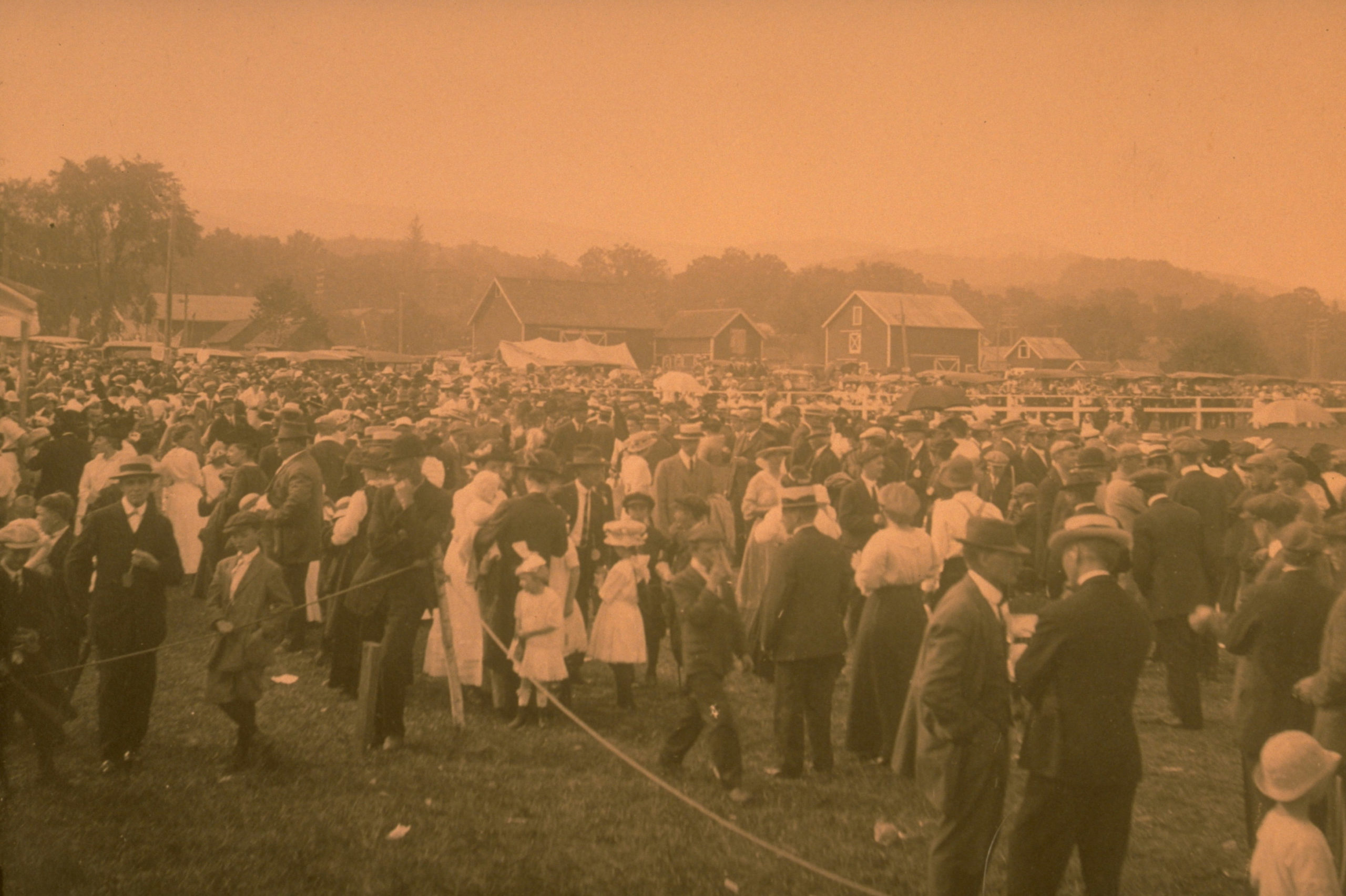
Other early activities were events celebrating and promoting agriculture. Since colonial days, farm fairs had been an important part of community life. Beginning in 1903 and lasting until World War I, the Association sponsored three-day agricultural fairs that attracted thousands of participants and spectators.
Today

Since 1991, the Salisbury Association has made its home in the historic 1833 Academy Building that includes office and exhibition space and storage area for some of its collections. 

Programs, activities, and educational outreach are carried out through three primary committees: Land Trust, Historical Society, and Community Events, a 3-in-1 structure unique among New England towns. It took more than a century for the Association’s structure to evolve into its present form and for the scope of its mission to include: 

Conserving and preserving the town’s rural character, beautiful landscape, and natural resources through conservation easements and land ownership. 

Recording, preserving, and presenting Salisbury’s history. 

Offering events, exhibits, and programs that celebrate our town, its heritage and traditions, and the natural world around us. 

Encouraging stewardship of our town’s resources and promoting community service. 

The organization still receives no funding from the town and relies on the generosity of the community for donations.  

Dedicated volunteers still lead the organization but are now assisted by several paid staff. Each era of volunteers has adjusted the course of what the mission should be, given the challenges of the day and prospects for the future. 

Land Trust Mark
Historical Society Mark
Community Events Mark

1976 — Land Trust

An exodus away from farming as a way of life accelerated after WW II, and the population in rural communities dwindled. Many family farms were sold and developed for non-agricultural use. Some in the community were concerned about future development in Salisbury and became our Land Trust pioneers. 

Key Conservation Milestones

Gus Pope and William Morrill formulated a plan to set up a land trust. During the start-up phase, they were assisted by other conservancy groups, including The Nature Conservancy. Morrill became the first chair of the Land Trust and later served as president of the Association.

Gus Pope donated land, conveying a stretch of ridgeline on the Barrick Matiff off Route 44 that was purchased by the National Park Service as part of the Appalachian Trail protective corridor. Proceeds from that sale went to the Association to support future conservation efforts. Doris Walker gave a conservation easement and donated several parcels of land to protect her farmland and the scenic beauty along Salmon Kill Road. 

Mitch Finlay, president of the Association in the early 1970s, arranged for the Land Trust to become the first official committee in 1976. 

Ben Belcher donated conservation easements covering over 300 acres of agricultural land in the Town Hill area. Other neighbors followed suit, including Dorrance Sexton and Robert Noble. The Blum family sold development rights to the State of Connecticut, adding to the large swath of contiguous conserved prime farmland and scenic views.

Conservation easements along Moore Brook were donated by Dr. Mary Alice White and several of her neighbors, preserving what has been described as “one of the true ecological treasures of the region.” Dr. White was chair of the Land Trust in 1985 and later became Association president. Dr. White also led a fundraising effort to protect the rugged and scenic Sages Ravine from development in 1990.

The Land Trust, together with other conservancy groups and the National Park Service, was instrumental in protecting large areas of farmland and forest from Hamlet Hill Farm across the ridges east to Prospect Mountain. Major donors included Peter Findlay, John Herndon, and the Mitchell, McClintock and Forsyth families.

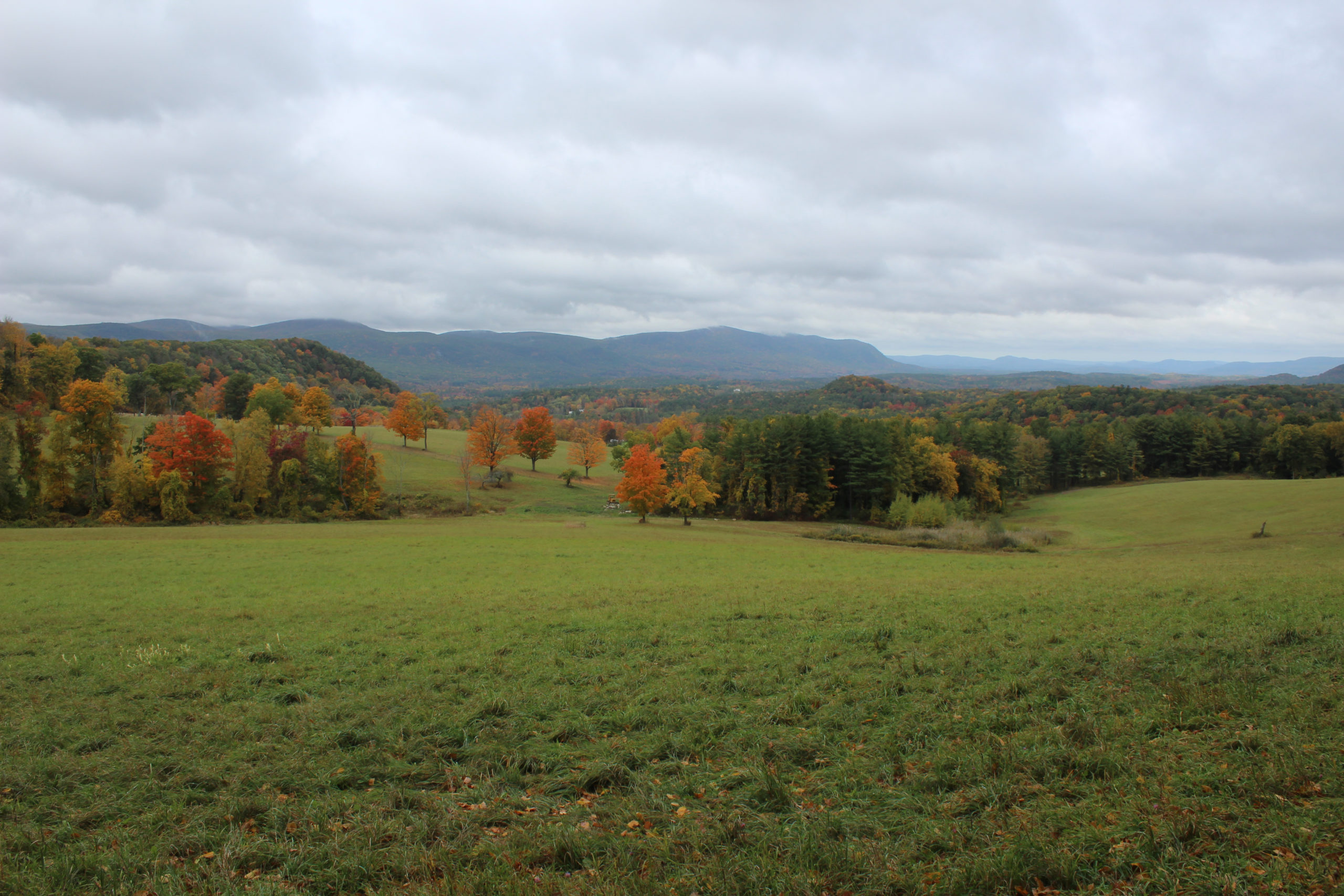
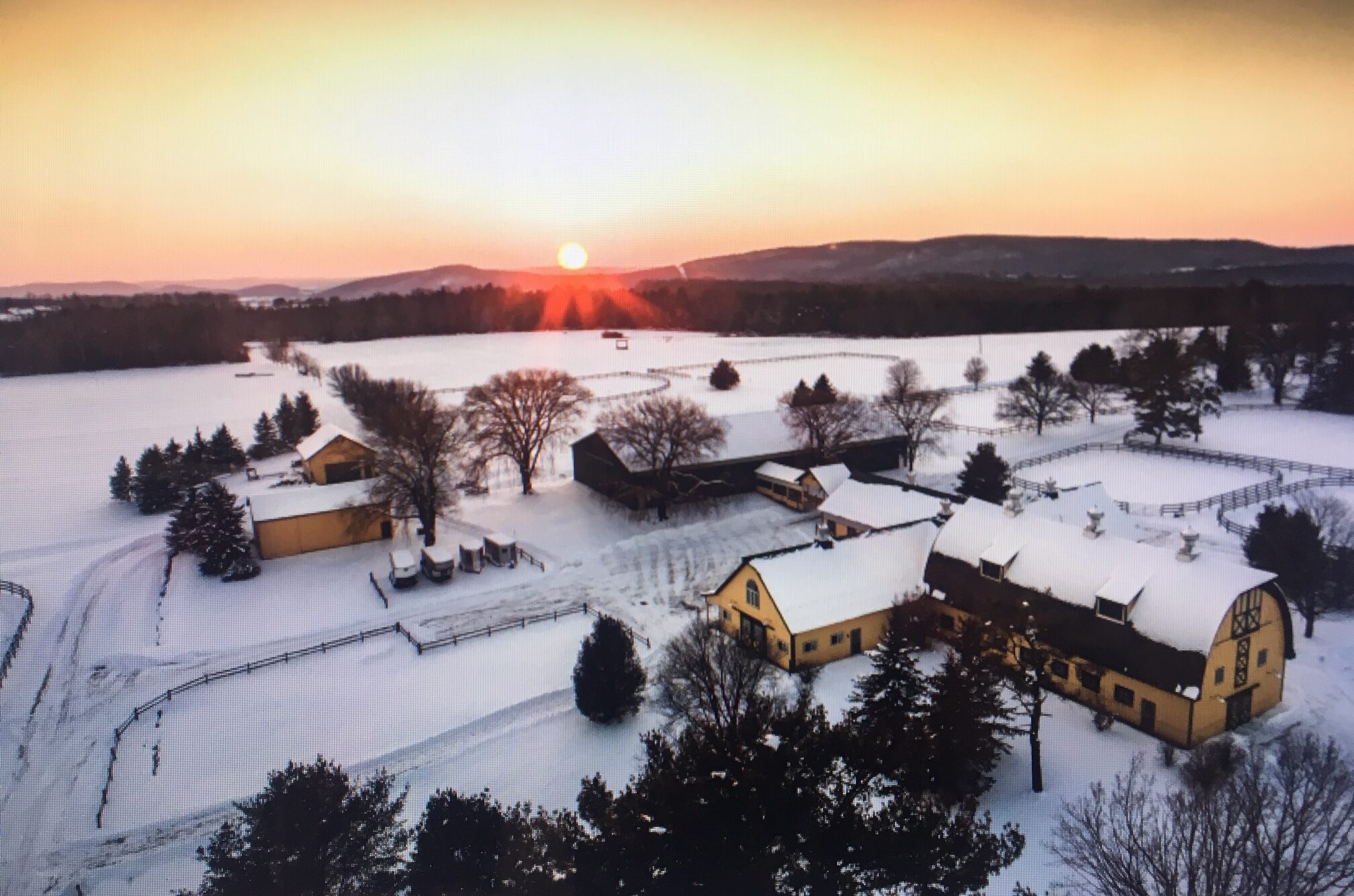
Today the Land Trust works with landowners who wish to permanently protect some or all of their land from future development. Through the generosity of landowners and other contributors and grants from the state and private foundations, the Salisbury Association Land Trust has conserved and protected more than 4,500 acres.

To learn more about the Land Trust and its conserved properties, click here. 
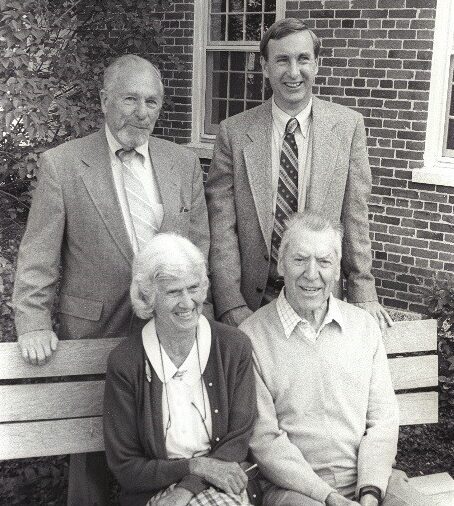
Doris Walker, Gus Pope, seated, Mitch Finlay, Bill Morrill, back row (l-r)
Doris Walker, Gus Pope, seated, Mitch Finlay, Bill Morrill, back row (l-r)

2008 — Historical Society

The National Historic Preservation Act of 1966 raised awareness of the importance of historic structures, how they shape the identity of a community, and the economic benefits that heritage tourism can foster. It impacted the country as well as our town. 

Beginning in the late 1950s and accelerating after 1971, the Association’s work expanded to include helping to preserve and restore two Salisbury landmarks with significant ties to our history: the Holley-Williams House and the Academy Building. 

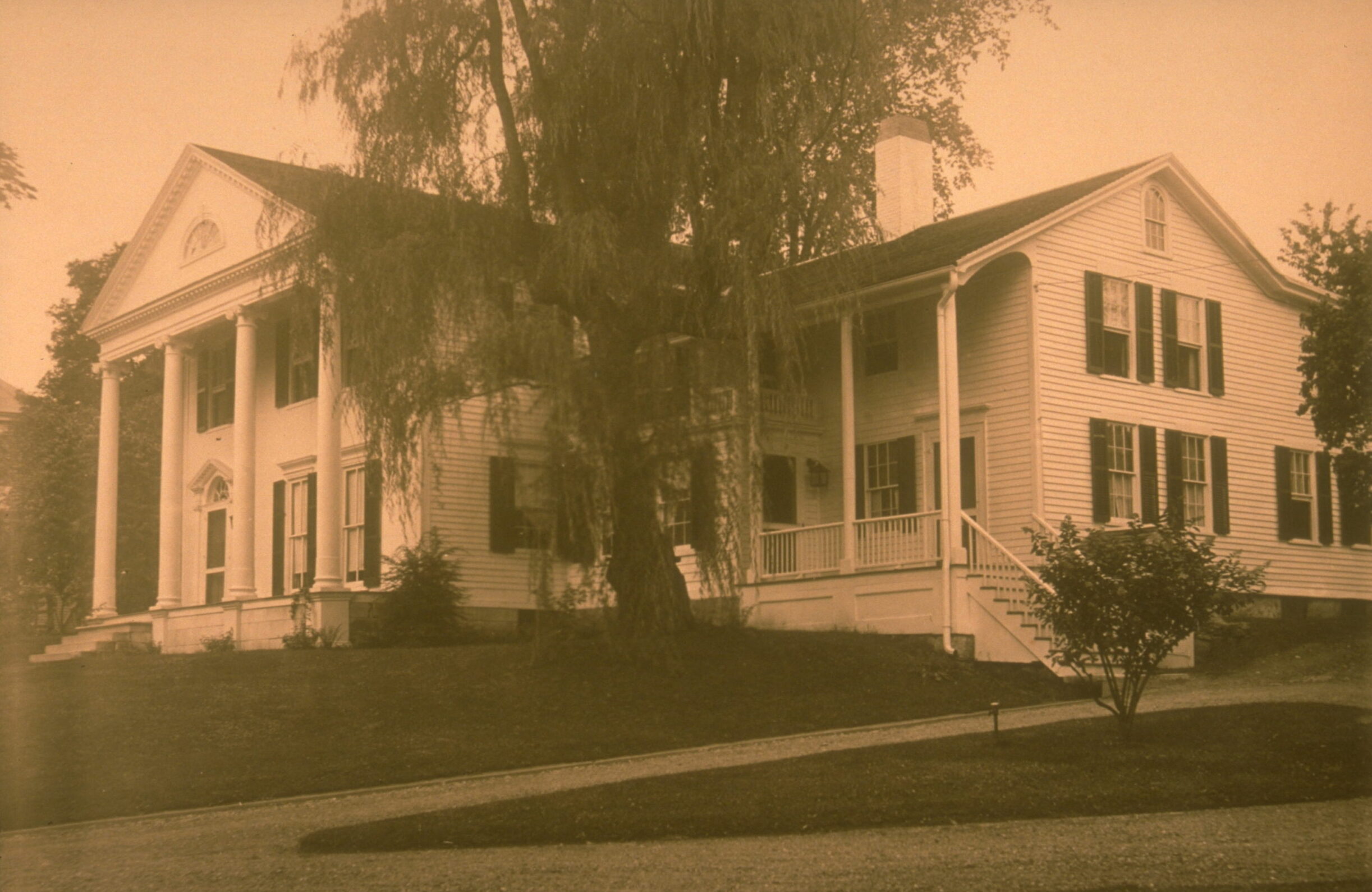
The historic Holley-Williams House was bequeathed to the Salisbury Association in 1971 under the terms of the will of Margaret Holley Williams.

Five generations of Holley and Williams family members lived in the home for 173 years, filling it with furnishings, portraits, letters, diaries, and artifacts. When the Association took ownership, it became the starting point for a new chapter of historical preservation in Salisbury.

For the full history of the house, its architecture, and the museum era, visit the Holley-Williams House page.

The Association organized the house as a museum, and it became the hub of the Association’s historical activities, programs, and collections for nearly 40 years.

Living tours, a children’s cannon museum, a demonstration garden, and interpretive programs brought Salisbury’s history to life. Our trustees’ research into the contents of the house added immeasurably to the community’s understanding of the iron industry, a driving force in Salisbury’s early history.

Many trustees were involved with the Holley-Williams House, but several made extraordinary contributions.

Lou V. Burgess was instrumental in organizing the museum in the early 1970s and running its programs for many years. Whitney North (Mike) Seymour, Jr. led a steering committee during the time when a cannon museum was established on the property and programs were expanded. Ronald D. Jones guided the Historical Society as it transitioned out of the Holley-Williams House and became an official committee in 2008.

Unfortunately the expense required to restore, repair, and maintain the 200-year old Holley-Williams House strained the Association’s resources to the limit. With regret, the decision was reached to sell the house in 2007.

Items of importance to Salisbury’s history were retained by the Association and are available for future exhibits. Proceeds from the 2010 sale of the house fund projects that help preserve artifacts and bring local history to the community in new and interesting ways.

Today the Historical Society records, preserves, and presents the town’s history and manages, conserves, and displays its collections.

To learn more about the Historical Society and publications available for sale, click here.
2008 — Community Events

Community Events is a civic committee that organizes town-wide events and supports projects that add to the quality of life in Salisbury. Unlike the Land Trust and Historical Society Committees that represented new or vastly expanded programs, many Community Events activities have their origins in the early Association. It became an official committee in 2008. 

The committee sponsors programs and events that honor our heritage and cultural traditions and bring the community together. Some have evolved from those of the 1902 Association, while others have been added to meet the interests of the day. Instead of organizing annual farm fairs, today’s Community Events sponsors the 4th of July celebration at the Town Grove and the holiday concert.  It also helps with promoting the annual Salisbury Fall Festival and community service. 

From its earliest years, the Association helped beautify and improve our town. We are fortunate that civic-minded citizens, who shared the same interests, donated or bequeathed funds to the Association. Some funds were contributed for the purpose of carrying on the tradition of planting and caring for trees along our roadways and flowers that beautify our town. Others have allowed us to help fund improvements and landscaping at the Town Grove, a lakeside park owned by the town and enjoyed by the community since 1950. 

Today Community Events celebrates and honors local traditions and volunteers, beautifies the town, and strengthens ties between the community and our town’s heritage.

To learn more about Community Events, click here. 

Town Band

Town Band

Academy Building

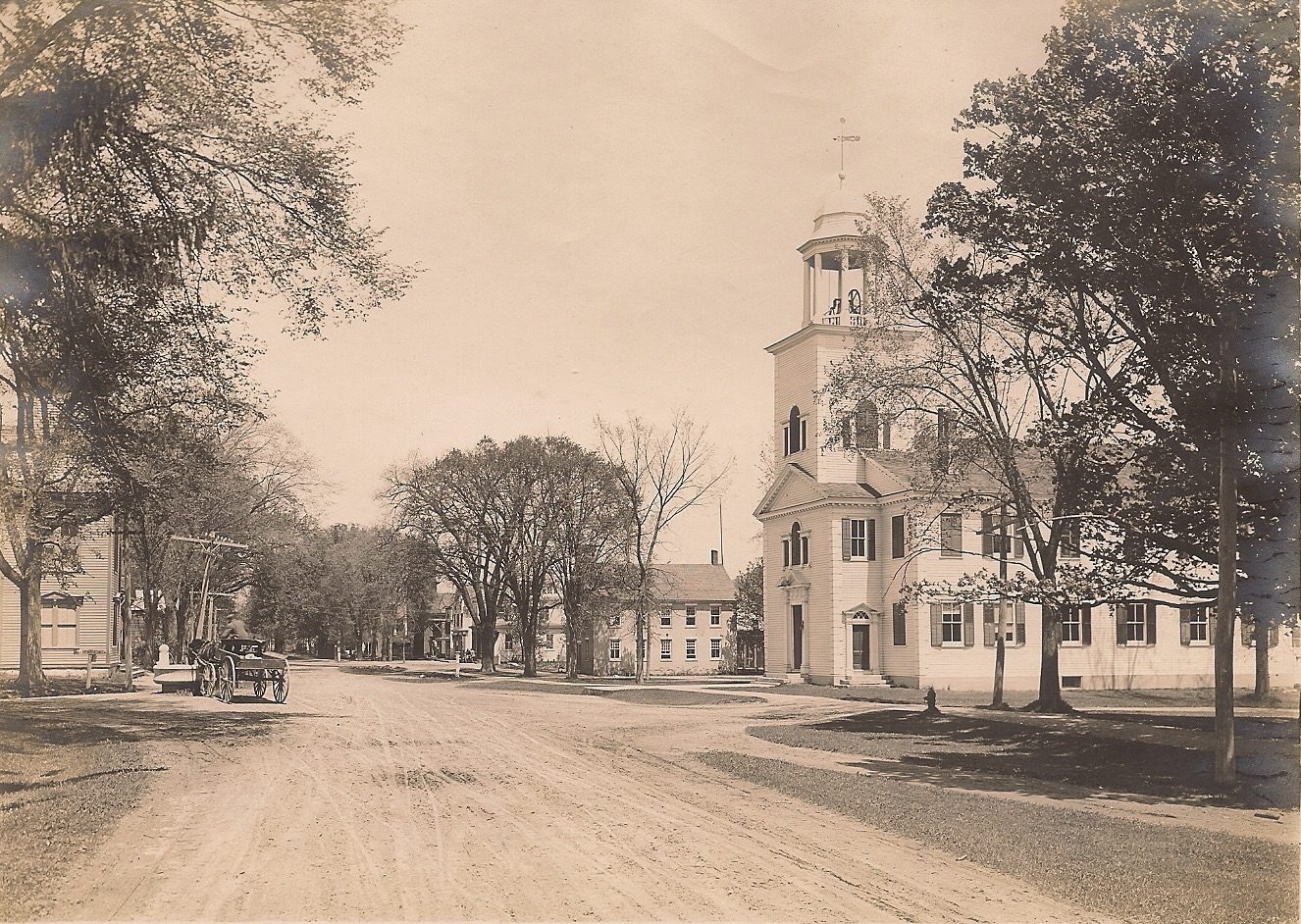
The 1833 Academy Building is one of Salisbury’s most historic structures and has played a central role in the life of the town. Built as a private academy, it has served the community as a public school, Circuit Court, temporary Town Hall, meeting house, office space for numerous nonprofits and town commissions, art gallery, and exhibition space. The Academy Building is listed on the National Register of Historic Places.

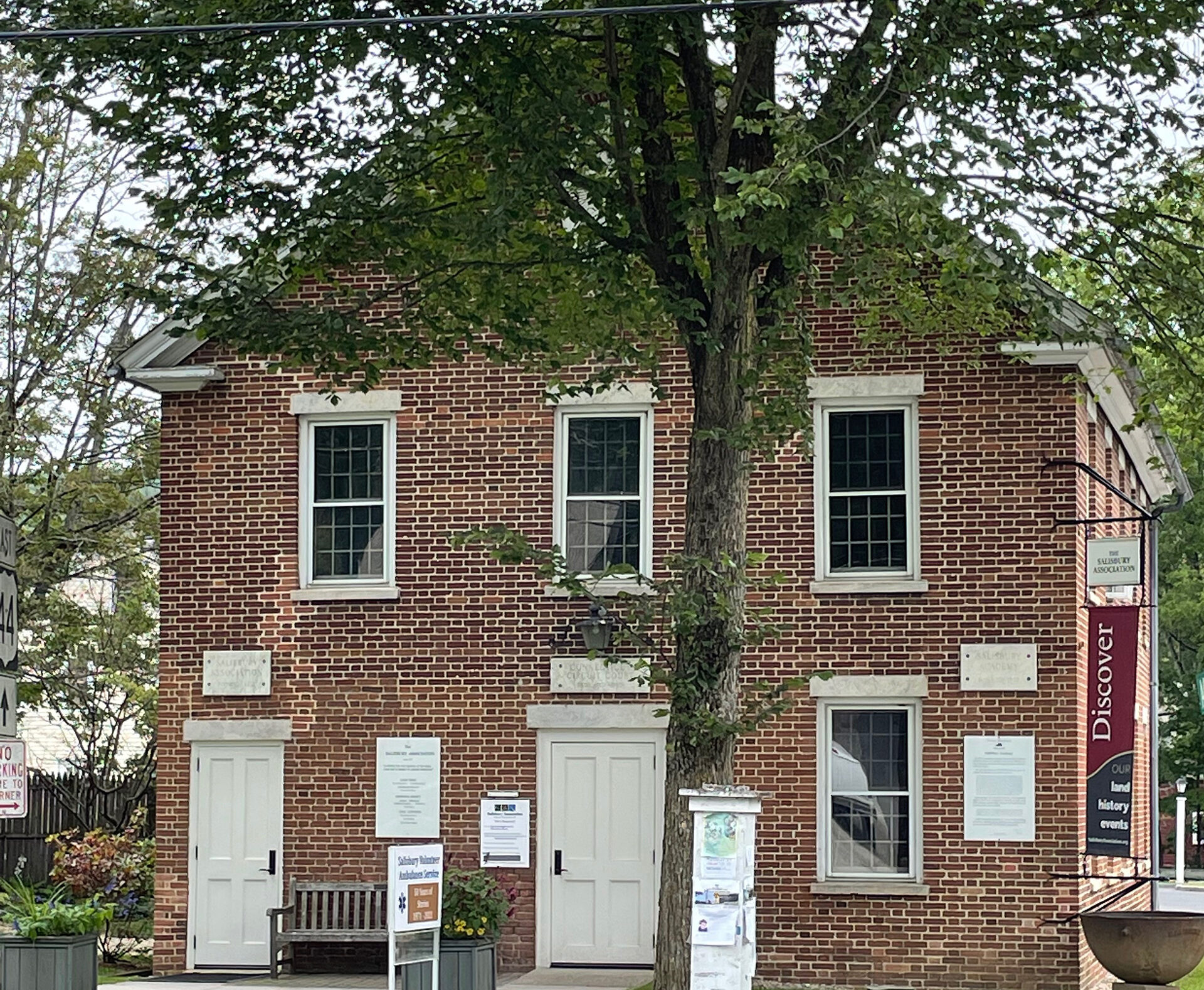
In the 1950s and again in the late 1980s, the structure fell into serious disrepair. Both times, Association members stepped in, raised funds, oversaw restoration, and repurposed the building for new use. Abbot. K. Hamilton saved the Academy Building from demolition in 1960 and inspired its renovation as a courthouse. Karl A. Stoecker was the driving force in restoring and preserving the building as a resource and center for community activities in the early 1990s. Since 1991, the historic building has been home to the Salisbury Association. 

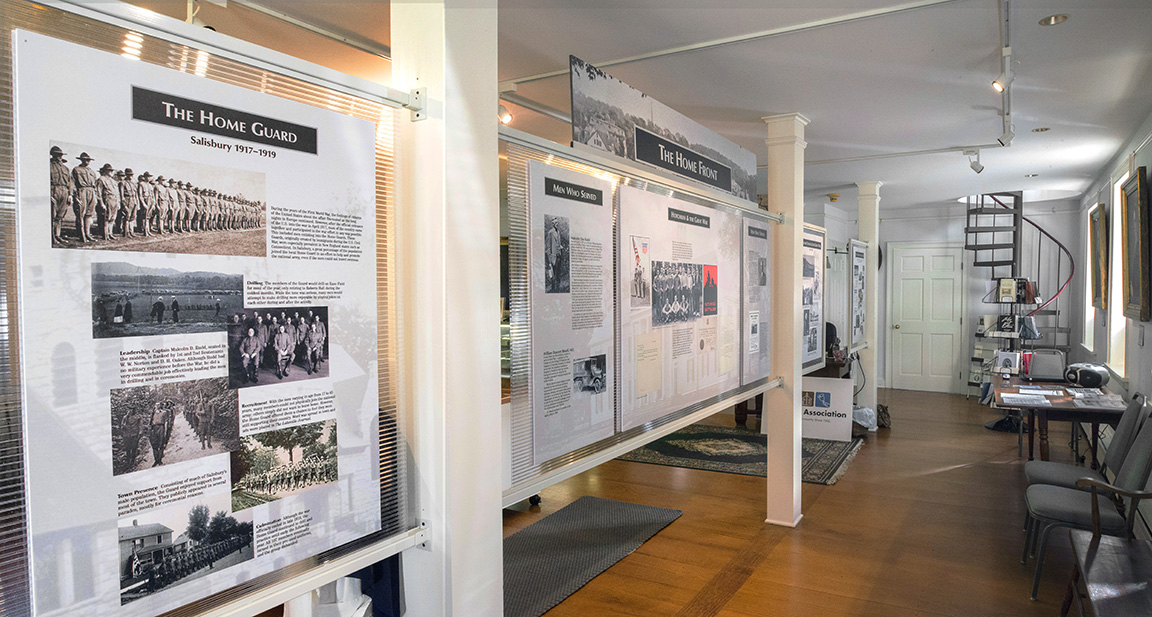
When the Holley-Williams House was sold in 2010, many museum artifacts were moved into the Academy Building, and renovation became a priority. In 2011, trustee and interior designer Chris Brennan designed and oversaw a two-year project. The first-floor reception area, computer room, and restroom were updated, and the exhibit space was upgraded with an inventive display system. David and Bobbie Olsen and their Family Foundation generously funded the work. In appreciation of Bobbie’s contributions, the second floor was named The Bobbie Olsen Room in her honor.

Read more about the renovation

The Association has commissioned several projects that honor the building’s history while bringing modern functionality.

Remimagining the Academy Building, 2024 – 2025: Designer Chris Pouler rethought the first-floor exhibit space, creating four new focus areas – Arsenal of the Revolution, Holley Manufacturing Company, Land Trust, and Industry in Salisbury. Local craftspeople built the walls, panels, and cherry display rack that brought the design to life.

Conservation of the Holley Centennial Knife Collection, 2023-2024: Fallon & Wilkinson of Baltic, CT cleaned and repaired more than one hundred original Holley pocket knives and refurbished their 1876 Centennial Exposition display case. The redesigned display gives the collection a prominent new home.

New Doors, 2020: Master woodworker Bert Fitch made three historically appropriate exterior doors using 19th-century methods.

Banner Hardware, 2020: Master ironworker William Trowbridge hand-forged matching hardware for the building’s new banner.

Meeting Table, 2013: A 300-year-old white oak tree at the Town Grove blew down during a storm in 2010. Master woodworker David Bowen designed and made a 16-foot meeting table from the wood. Elaine and Louis Hecht funded the project.

Learn more about these projects

1833 Academy BuildingAcademy Building