


Invasive Plants: Why They Matter and How to Help
Invasive plants are species introduced from other regions that spread aggressively, outcompete native vegetation, and cause serious harm to local habitats. Not all non-native plants are invasive — but those that are can quickly overwhelm an ecosystem if left unchecked. Learning to identify them is the first step toward protecting the land around you.
Removing invasives from your own property makes a real difference. It improves habitat for the insects birds depend on to raise their young, and it helps prevent invasive seeds from being spread further by birds and other wildlife. Native plants, in turn, allow local wildlife and pollinators to thrive.
Controlling invasives takes knowledge, effort, and time — but the payoff for your local ecosystem is well worth it. See the resources below to get started, both on identifying and managing invasive species and on the benefits of planting natives.
Helpful Resources
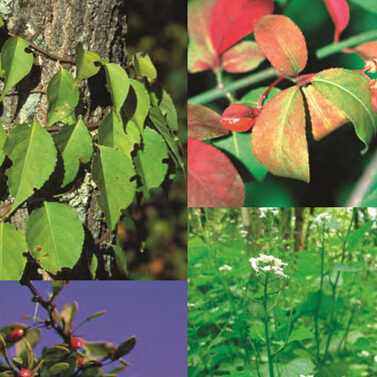
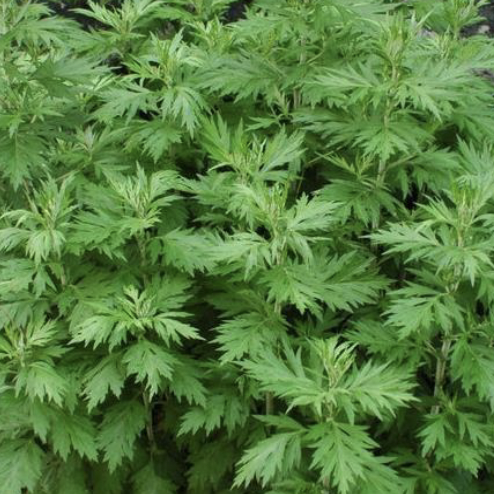
Identifying and controlling some of the most common invasive plant species you’re likely to find in and around your home
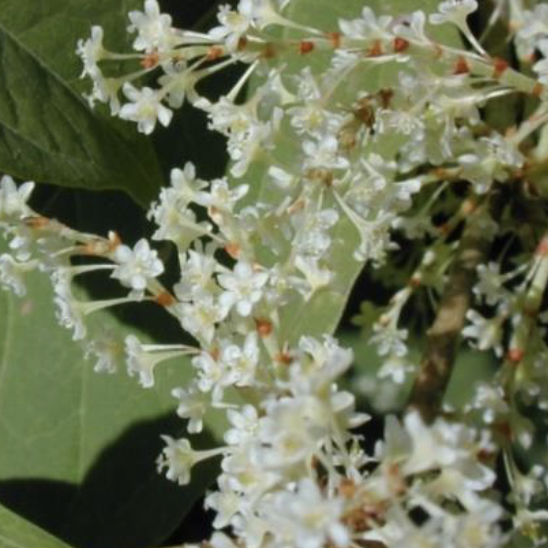
Resources for native species
Homegrown National Park is a local grassroots organization focusing on biodiversity and ecosystem function by planting native plants and creating new ecological networks.
Native Plant Trust is the US’s first plant conservation organization and the only one solely focused on New England’s native plants.
Pollinator Pathway advocates for public and private pesticide-free corridors of native plants that provide nutrition and habitat for pollinating insects and birds.